The Case for Central Kitchens
School districts today are being asked to do a lot: stretch tight budgets, serve meals kids actually want to eat, hit nutrition standards, and keep operations running smoothly. No pressure, right?
That’s why more districts are rethinking how food gets made — and central kitchens are becoming the move.
If you’re running multiple small schools, centralizing production can seriously level up your operation. You streamline purchasing, prep, and distribution. You reduce waste. You ease labor pressure. And you gain consistency and quality control. Translation: better meals, smarter spending, and a more sustainable program long-term.
So… how do you know when it’s time?
Signs It’s Time to Consider Central Production
If your district operates five or more smaller schools, especially those serving fewer than 500 meals per day (around 150 breakfasts and 350 lunches), central production can be a game-changer.
Here’s why:
In small kitchens, staff are doing everything — ordering, prepping, assembling, cleaning — often in tight spaces with limited storage. That’s a lot of labor hours for a relatively small production volume.
Now imagine this instead:
Salads arrive freshly made and pre-portioned
Sandwiches are assembled and ready for service
Fresh-cut sides are delivered in serving pans
Instead of spending hours prepping, staff can focus on service and student experience.
SPREADSHEET: Calculation of Small Meal Program Benefit from Central Kitchen Model
Think about it this way:
Making 300 salads in one place? Efficient.
Making 50 salads at six different schools? Not so much.
In a central kitchen, ingredients are already pulled. Assembly-line methods save time. Adding 50 more salads doesn’t require another walk to cold storage — it’s all right there. That’s economies of scale in action.
At receiving schools, you might only need:
One staff member to receive deliveries
One additional person for serving and cleanup
That’s real labor savings.
And here’s the big picture:
Many small kitchens break even on food and labor — but there’s no cushion left for equipment upgrades, repairs, or facility improvements. Central production reduces the need for expensive equipment in every single building. Receiving kitchens need ovens and refrigeration — not massive storage or full prep infrastructure. Smaller footprint. Lower maintenance costs. Smarter capital investment.
Fresher Food, More Variety, Less Waste
Let’s talk about what actually matters most: the food.
Central kitchens typically have:
More frequent deliveries
Higher inventory turnover
Greater buying power
That means fresher produce and lower costs over time.
Instead of small schools ordering produce that might sit too long, a central kitchen processes fresh items in bulk. Cucumbers that were sliced yesterday. Salads assembled today. Individually packaged and delivered tomorrow. Students get fresher options with more variety.
Shelf-stable items move faster too — fewer stale crackers, fewer expired cereals.
Smaller schools can order closer to service day (one or two days prior), which significantly reduces waste.
Win. Win. Win.
Expand (and Customize) the Menu
Central kitchens also open the door to better scratch cooking — including using USDA commodities more creatively.
Bulk ground meat? Turn it into:
Chili
Taco filling
Spaghetti sauce
Baked potato toppings
And here’s where it gets smart: you can customize flavor profiles.
High school? Kick up the spice.
Elementary? Keep it milder.
Meals can be cooked fresh, frozen quickly, and sent to receiving kitchens to reheat and serve. Because production is local and controlled, you avoid the heavy preservatives found in many commercially-processed items.
The result:
Cleaner labels
More consistent quality
Fresher taste
Higher student satisfaction
Increased participation
And let’s not forget staffing. A centralized facility creates opportunities for full-time positions and higher-skilled culinary roles. When team members feel professional and valued, absenteeism drops and engagement rises. Culture matters.
Start Small. Scale Smart.
Here’s the good news: you don’t have to build a brand-new facility tomorrow.
Many districts start by using an existing larger kitchen — often at a high school — as the production hub.
Add production for five smaller schools. Increase cold storage. Add some labor hours. Begin with cold items like:
Fresh salads
Sandwiches
Yogurt/cheese/cracker meal kits
These can be prepped, portioned, packaged, and delivered via refrigerated truck.
Starting with cold production allows you to:
Test systems
Refine logistics
Track labor savings
Measure waste reduction
Then, you scale up.
The Bottom Line
Central kitchens aren’t just about cutting costs. They’re about building a smarter, more resilient foodservice model.
You get:
Operational efficiency
Better purchasing power
Fresher food
Expanded menus
Stronger staffing structure
Long-term financial sustainability
For districts balancing tight budgets and high expectations, central production isn’t just an operational shift — it’s a strategic investment in the future of school nutrition.
And honestly? That’s the kind of glow-up school foodservice deserves.
ABOUT THE AUTHOR
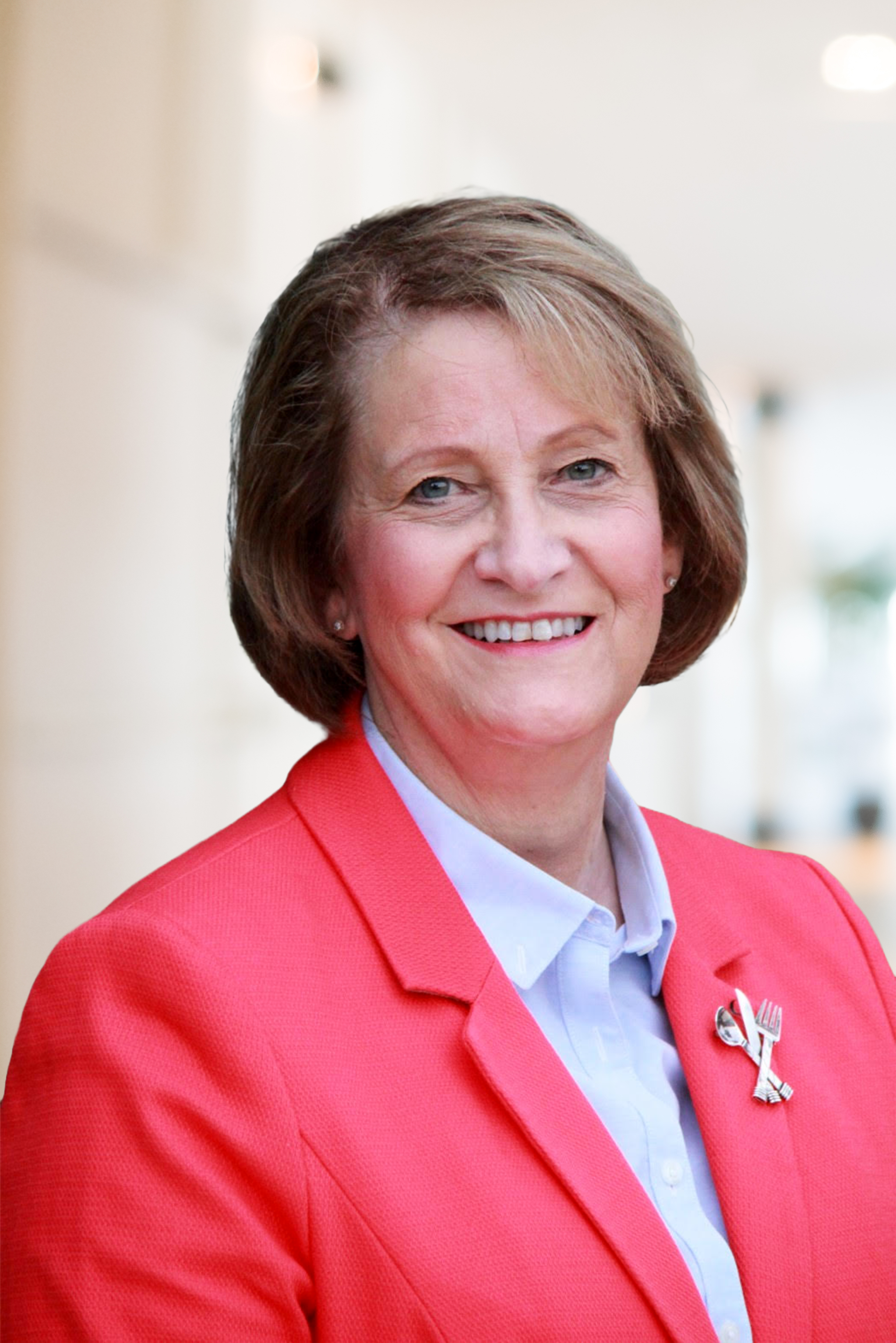
Lora spent nearly 20 years as the Senior Director for the Orange County Public Schools (OCPS) Food and Nutrition Program in Orlando, Florida. During her tenure, she tripled the meals served to one million every five days. During the pandemic, OCPS served 46 million meals, an increase of 28% from the 2019 school year.
Lora's extensive accomplishments at OCPS inform her current work with ProTeam where she is passionate about helping to empower nutrition professionals to improve access to school meals.